
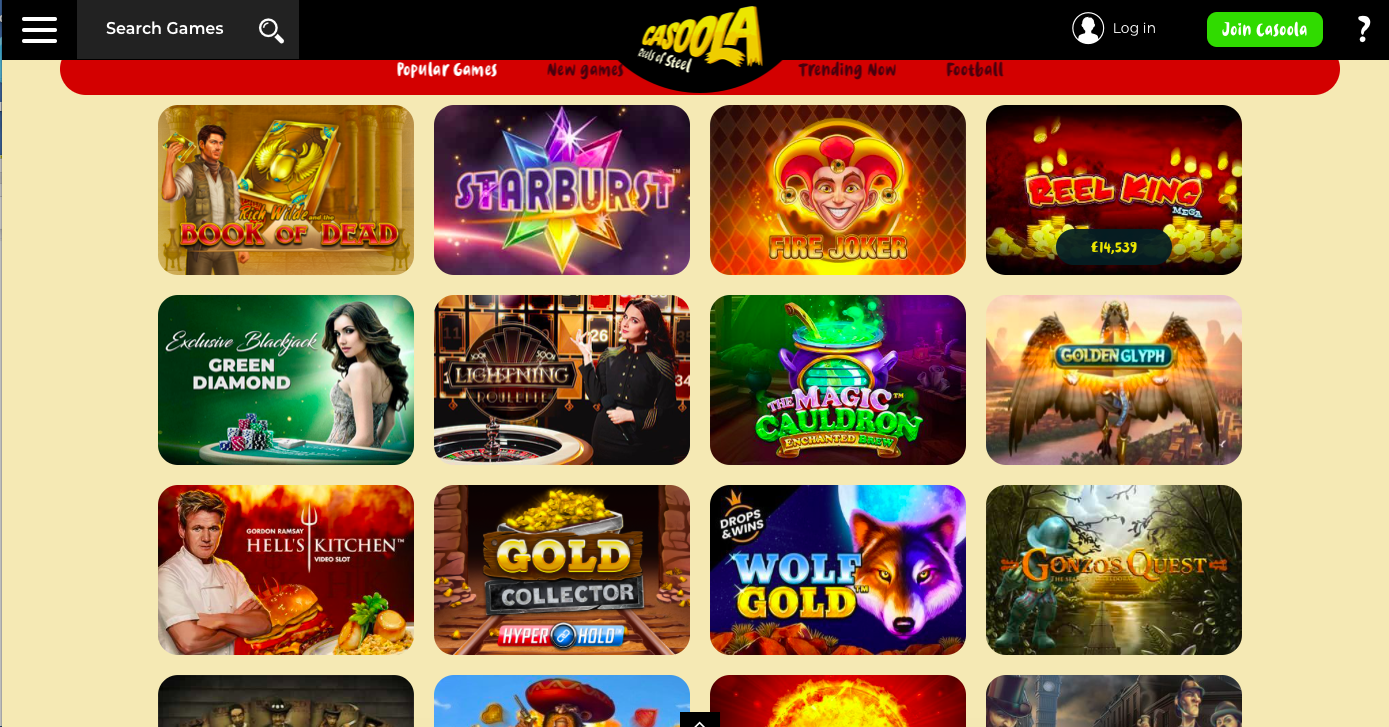
For players interested in at Casoola Plus 200 Free Spins Casino, the initial query is frequently basic: is it permitted? The reply differs globally. Online casinos like Casoola face restrictions in many nations. Their availability hinges on a tangled web of local laws, the conditions imposed by regulators, and the casino’s own strategic policies. This page explains the situation. We’ll explore the causes of these bans, which countries are commonly excluded, and how to confirm your access. The goal is to give you a simple explanation of how your location affects your capacity to participate.
Consequences of Trying to Bypass Limitations
Some gamblers seek to evade these blocks using methods like VPNs or proxy servers. This is a poor choice. It violates the casino’s Terms and Conditions. The casino is good at identifying these approaches, notably when you attempt to cash out funds or send paperwork. If you’re caught, the casino will freeze or close your membership. Any winnings you accumulated while betting from a restricted area will be voided. Your funds might be refunded, but usually with a penalty deducted. More seriously, you could be violating your own country’s laws by playing on an illegal website. The danger is high, and the benefit is zero.
Casoola Casino’s Licensed Jurisdictions
You can generally see which licenses Casoola holds at the footer of its website. These licenses, from authorities like the Malta Gaming Authority, grant legal permission to function in specific places. Frequently, this includes many territories in the European Economic Region—Germany, Finland, Norway, and Ireland, for example. But a license for Europe doesn’t mean free access to all of Europe. The casino nonetheless needs to comply with each country’s individual rules. The most accurate source for where Casoola can legally accept players is always its own Terms and Conditions. This list may and does change as laws change.
Frequently Blocked Countries and Territories
If you look at restricted lists throughout the sector, you can notice the same names show up again and again. Casoola’s list mirrors this trend. Countries with strict bans, like the United States (with its complex state laws), France (with its state monopoly), and the Netherlands (before its recent market opening), are typically blocked. Also included are many Middle Eastern and Asian nations where gambling is largely illegal, such as Turkey and Israel. Australia is another common entry due to its Interactive Gambling Act of 2001. The reason for each block may differ a bit, but they all boil down to one thing: the law of the land.
The United States: A Complex Landscape

The U.S. is a special case. Gambling law is decided state by state. A handful of states, including New Jersey, Pennsylvania, and Michigan, have created legal, regulated online casino markets. But federal laws like the Unlawful Internet Gambling Enforcement Act (UIGEA) create major hurdles. For an internationally licensed casino like Casoola, getting licensed in individual U.S. states is a long and expensive process. As a result, Casoola typically blocks access from all U.S. territories. If you live in the United States, you probably won’t be able to create an account, even if your particular state has legalized online play.
Restrictions Within the European Union
The European Union’s single market doesn’t fully apply to online gambling. Each member state still makes its own rules. Casoola might operate in many EU countries under its main license. But some countries, like Sweden or Denmark, require an extra local license. Others, such as France, run a monopoly that locks out private operators entirely. Some nations have technical demands, like registering with a national player database. The result is a checkerboard. You might have access from Spain but be blocked just across the border in France, all based on the specific legal agreements in place.
Ethical Gaming and Regulatory Adherence
Following geo-restrictions isn’t just about obeying the law; it’s a core part of responsible gambling. Regulated casinos operate under regulations that safeguard you. These regulations verify games are honest, your money is safe, and you have options to manage your play. If you evade a ban to gamble from a banned country, you venture outside that safety net. You surrender all legal protection and might find yourself on an hazardous site. When Casoola enforces its country blocks, it’s maintaining its commitment for a safe environment. As a player, you support that security by being truthful about where you are and opting to wager only where it’s legal.
Verifying Your Nation’s Eligibility
How do you know if you qualify? Head directly to the source. The Casoola Casino website has the sole list that matters. Find the «Terms and Conditions» or a specific «Country Restrictions» page. Read that list carefully prior to attempting to sign up or fund your account. If you cannot locate the information, reach out to customer support through live chat or email. They will offer you a straight answer. Don’t trust third-party review sites for this. Their information can be old or wrong. You are responsible to ensure you’re in a permitted location before you gamble with real money.
Understanding the Regulatory Framework for Virtual Gambling
Rules for virtual gambling differ wildly from one country to the next. These distinctions arise from local culture, history, and government policy. Some nations operate strict, regulated markets where approved casinos can deliver services. Others grant a monopoly to a unique state-owned company. Many countries have old or vague laws that place things in a gray zone, and some have complete bans. For a casino, adhering to these rules is vital. To hold a license from a organization like the Malta Gaming Authority or the UK Gambling Commission, Casoola must utilize technology to prevent players from forbidden locations. The list of limited countries isn’t haphazard; it’s a direct map of this lawful patchwork.
Role of Licensing Authorities
Consider licensing authorities as the regulators and watchdogs. When Casoola Casino obtains a license from Malta, it must follow that authority’s playbook. That playbook clearly bans the casino from allowing players from countries where virtual gambling is prohibited. The regulator oversees this. If the casino is unable to stop players from a restricted country, it confronts fines or could even be stripped of its license. This regulatory pressure means the casino’s geographic limits are carefully drawn. The limited list is present because the casino’s license hinges on it.

Corporate Risk Management Policies
Occasionally, the casino personally opts to avoid a market. Regulatory uncertain areas might be present, but the company could see too much risk. Maybe payment processing is unreliable, or the political climate is uncertain. Pulling away from these regions shields the business from future regulatory headaches and keeps its banking relationships stable. So, the final list of where you can play originates from two factors: the strict law of licensing, and the cautious strategy of the company’s own risk managers.
How to Handle If Your Country Is Restricted
Finding yourself in a blocked country is disappointing, but your options are obvious. The most important step is to respect the restriction. Refrain from trying to fool the system with a VPN. Instead, search for online casinos that are properly licensed in your own country, if they exist. You could also explore other forms of legal online entertainment that don’t have geo-restrictions. Sometimes restrictions evolve. If your country is opening a new regulated market, monitor Casoola’s official announcements. They could apply for a license there in the future. The only reliable and legal path is to play exclusively on sites that freely welcome players from your jurisdiction.
The future of Geo-Restrictions within Online Gambling
Worldwide laws on online gambling keep changing. Some regions are moving toward liberalization. Regulators acknowledge the perks of licensing: they are able to safeguard consumers and collect tax revenue. This shift is evident in new markets like the Netherlands and Ontario, Canada. For a gambling site like Casoola, this may indicate more countries open up in the future, assuming they acquire proper regional licenses. But other regions are tightening their controls. The future will probably be a mix—more regulated markets overall, but with geo-blocking continuing as a primary method. The landscape of accessible locations will continue to evolve.
The method Casoola Casino Implements Geographical Restrictions
Casoola uses several techniques to make sure players are in the right place. The first check happens automatically. When you visit the site, it checks your IP address—a digital marker of your location—and contrasts it to a list of allowed and banned countries. If you get through that test and register, you must supply your home address. Later, you’ll need to confirm that address with a document like a utility bill. If your IP address and your document don’t match, your account will be flagged. The casino also scrutinizes your payment methods. Trying to use a credit card from a restricted country will fail. This layered system is how the casino remains within the law.